

Creating a tranquil outdoor space free from the persistent buzz of flies and other unwelcome insects has long been a goal for gardeners across the United Kingdom. Rather than relying solely on chemical deterrents, many are turning towards nature's own arsenal of aromatic and visually striking plants that naturally discourage flying pests. This approach not only fosters a healthier environment for both people and beneficial wildlife but also enriches your garden with delightful fragrances and vibrant colours. By understanding which plants possess these remarkable qualities and how best to cultivate them, you can transform your garden into a haven that is as beautiful as it is functional.
Top aromatic herbs that naturally deter flying pests
Aromatic herbs have been cherished for centuries, not only for their culinary and medicinal properties but also for their ability to keep bothersome insects at a respectful distance. The strong scents emitted by these plants often contain natural compounds that interfere with the sensory receptors of flies and mosquitoes, making your garden an inhospitable environment for them. Among the most effective are mint, basil, and peppermint, each offering unique benefits while serving as a first line of defence against airborne nuisances.
Mint varieties: your garden's first line of defence
Mint stands out as one of the most versatile and reliable options for deterring flies and other pests. The mint family encompasses a wide range of varieties, including spearmint, catnip, lemon balm, and even pennyroyal, each with its own distinctive fragrance and repellent properties. The robust aroma of mint is particularly effective at keeping flies, mice, fleas, and ants away from your living spaces. Whether you choose to plant mint around the foundation of your home, position it in decorative pots near doorways, or scatter small bowls of fresh mint leaves in your pantry, this herb works tirelessly to create an invisible barrier that pests find deeply unappealing. It is worth noting that while pennyroyal is a powerful deterrent, it should be used with caution if you have pets or young children, as it can be toxic in large amounts. Beyond its pest-repelling qualities, mint is wonderfully easy to grow and can thrive in both garden beds and containers, making it an accessible choice for gardeners of all skill levels.
Basil and Peppermint: Dual-Purpose Plants for Kitchen and Protection
Basil is another champion in the realm of natural pest control, offering a delightful combination of culinary appeal and insect deterrent capabilities. This fragrant herb is simple to cultivate and flourishes in sunny spots, whether planted in flowerbeds, containers, or positioned strategically near doors and windows. The strong scent of basil is known to repel flies and mosquitoes, creating a protective shield around your home. By placing a basil plant on a windowsill or patio, you not only enhance the aesthetic appeal of your space but also enjoy the added benefit of having fresh basil at your fingertips for cooking. Peppermint, a close relative within the mint family, shares many of these qualities while offering an even more potent aroma. The intense fragrance of peppermint is particularly effective at discouraging a variety of pests from entering your home. Positioning pots of peppermint in fly-prone areas or creating a homemade peppermint spray by steeping the leaves in water can provide an additional layer of defence. Both basil and peppermint exemplify how the simplest of herbs can serve dual purposes, enriching your culinary adventures whilst simultaneously safeguarding your environment from unwanted visitors.
Ornamental plants with powerful pest-repelling properties
While herbs are often the go-to choice for natural pest control, a number of ornamental plants also possess remarkable abilities to keep insects at bay. These plants not only serve a practical function but also add layers of beauty and fragrance to your garden, creating a sensory experience that is as pleasing to humans as it is off-putting to flies and other pests. Lavender and rosemary are two such examples, celebrated both for their aesthetic appeal and their effectiveness in maintaining a pest-free outdoor space.
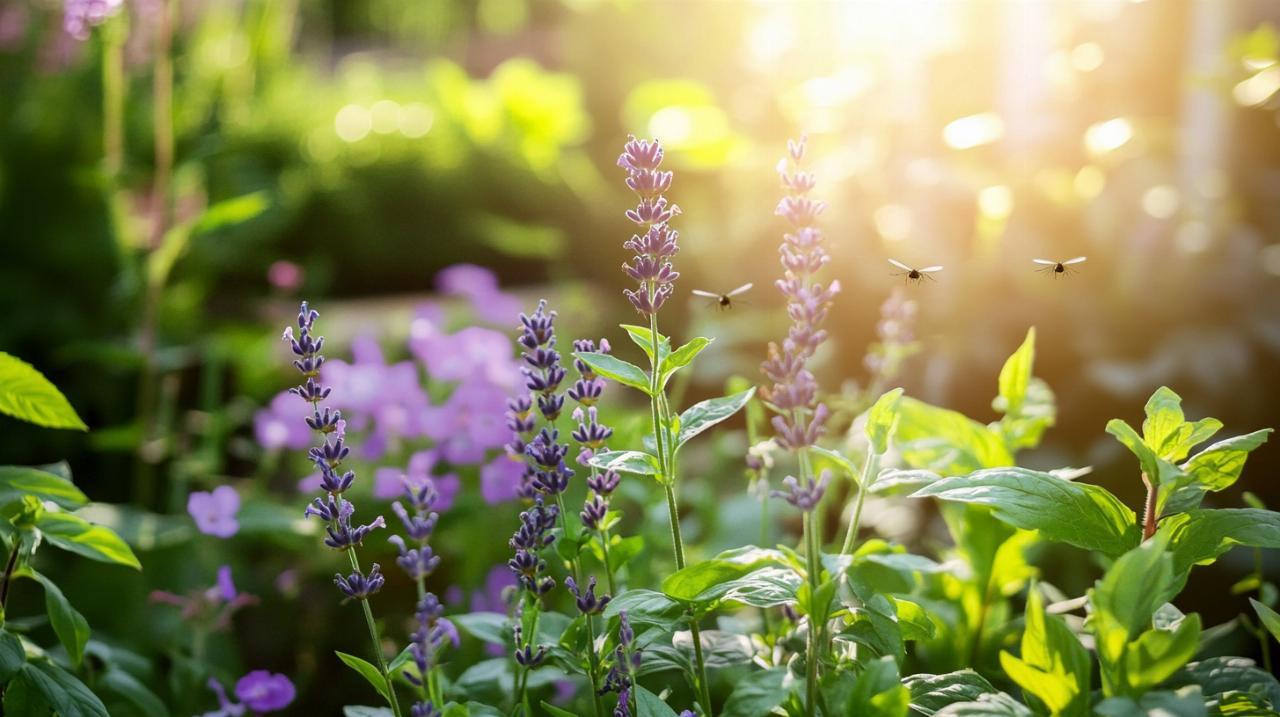
Lavender: fragrant beauty that keeps insects at bay
Lavender is a beloved fixture in many British gardens, renowned for its stunning purple blooms and soothing fragrance. Beyond its visual and olfactory charm, lavender is a formidable ally in the fight against flying pests. The plant's essential oils contain compounds that are known to repel moths, mosquitoes, and fleas, making it an excellent choice for planting near seating areas or pathways. Hanging dried lavender bundles in closets can protect your clothing from moth damage, while sprinkling lavender on pet bedding helps to deter fleas. In addition to its pest-repelling qualities, lavender attracts beneficial pollinators such as bees and butterflies, contributing to the overall health and biodiversity of your garden. The plant thrives in well-drained soil and sunny locations, requiring minimal maintenance once established. Its ability to flourish in the British climate makes it an ideal addition to any garden seeking both beauty and functionality.
Rosemary: a culinary favourite with natural deterrent qualities
Rosemary is another plant that effortlessly bridges the gap between the ornamental and the practical. This evergreen herb is a staple in kitchens across the country, valued for its robust flavour and aromatic leaves. However, rosemary also boasts impressive pest-repelling properties, particularly against mosquitoes and even cats that may be tempted to dig in your garden beds. Planting rosemary around patios, seating areas, or sandboxes can help to create a protective barrier that keeps these nuisances at a distance. The plant's strong scent acts as a natural deterrent, making your outdoor spaces more enjoyable during the warmer months. It is worth bearing in mind that rosemary can occasionally leave stains on fabric, so care should be taken when positioning it near cushions or outdoor furnishings. Despite this minor consideration, rosemary remains a highly effective and attractive option for those looking to combine culinary delight with natural pest control. Its ability to thrive in both garden beds and containers means it can be easily incorporated into a variety of outdoor settings, from compact urban patios to sprawling country gardens.
Practical applications: from growing to essential oil solutions
Understanding which plants repel flies is only part of the equation; knowing how to cultivate them and harness their properties effectively is equally important. By employing strategic placement, thoughtful cultivation techniques, and innovative uses of essential oils, you can maximise the pest-repelling potential of your garden whilst also enjoying the aesthetic and aromatic benefits these plants offer.
Strategic Placement and Cultivation Tips for Maximum Effectiveness
The success of using plants as natural pest deterrents hinges largely on where and how they are planted. For herbs like basil, mint, and peppermint, positioning them near entry points such as doors and windows creates a frontline defence that discourages flies from venturing indoors. Similarly, placing these plants in containers on patios or decks ensures that their fragrance is concentrated in areas where people gather, making outdoor dining and relaxation more pleasant. When growing mint, it is advisable to plant it in containers rather than directly in the ground, as its vigorous growth can quickly overtake other plants if left unchecked. Lavender and rosemary, on the other hand, are well-suited to garden beds and borders, where their striking appearance can be fully appreciated. These plants thrive in sunny locations with well-drained soil, and once established, they require minimal watering, making them ideal for the often unpredictable British weather. Companion planting is another strategy worth considering; by interspersing fly-repellent plants among vegetables and flowers, you create a layered defence that benefits the entire garden. Additionally, maintaining healthy soil and encouraging beneficial insects such as hoverflies, lacewings, and ladybirds further enhances your garden's natural pest control capabilities. Organic gardening practices, including the use of barriers like netting and fleece, contribute to a balanced ecosystem where plants and insects coexist harmoniously.
Creating Natural Sprays and Extracts from Your Home-Grown Plants
For those seeking an even more hands-on approach to pest control, crafting homemade sprays and extracts from your cultivated herbs offers a practical and cost-effective solution. Essential oils derived from plants such as mint, lavender, and rosemary contain concentrated compounds that are highly effective at repelling flies and other insects. To create a simple spray, steep fresh or dried leaves in boiling water, allow the mixture to cool, and then strain it into a spray bottle. This natural solution can be applied around windows, doorways, and other areas where flies tend to congregate. For a more potent effect, a few drops of pure essential oil can be added to the mixture, though care should be taken to dilute the oil properly to avoid damaging surfaces or causing irritation. Sweet woodruff, another lesser-known but highly effective plant, can be placed under wool carpets or among stored fabrics to deter carpet beetles and moths, releasing a pleasant sweet scent in the process. Tansy, with its bright yellow flowers, can be planted as a foundation around the perimeter of your home to repel flies, ants, fleas, and mice. Bay leaf is particularly useful in pantries, where it can be placed among stored grains and flours to ward off weevils, moths, and roaches. By growing these plants at home, you gain access to an ongoing supply of natural pest control materials, reducing your reliance on synthetic chemicals whilst also enjoying the satisfaction of a truly self-sufficient garden. Organisations such as Garden Organic, a registered charity based in Coventry, provide invaluable guidance on organic pest control methods, offering advice on everything from improving soil health to using nematode treatments. Membership in Garden Organic costs from two pounds seventy-five pence a month and includes access to their comprehensive advisory service, as well as free or discounted entry to numerous gardens across the United Kingdom. Their expertise underscores the importance of holistic gardening practices that prioritise the health of both plants and the environment, ensuring that your efforts to repel flies and other pests are both effective and sustainable.