Shared green spaces in co-ownership properties have long been recognised as vital components of urban living, offering residents a chance to connect with nature and one another. Yet the task of maintaining these communal gardens can often feel daunting without proper guidance or collective effort. Gardening workshops tailored for residents present an accessible and engaging solution, transforming what might seem like a chore into an enriching opportunity to learn practical skills, foster community bonds, and create beautiful, sustainable environments right on your doorstep.
Understanding the Framework: Legal and Management Structures for Communal Gardens in Co-ownership
Before diving into the practicalities of tending to shared gardens, it is essential to grasp the legal and organisational structures that govern these communal spaces. In co-ownership arrangements, green areas are typically classified as common property, meaning all residents hold a collective interest in their upkeep and enjoyment. The framework that underpins this arrangement ensures that everyone understands their rights and responsibilities, while also providing a clear pathway for decision-making and dispute resolution.
The Role of the Syndicate and Council in Overseeing Green Space Maintenance
The syndicate or residents' council serves as the central body responsible for managing the communal areas within a co-ownership development. This group, often elected by the residents themselves, has the authority to make decisions about the layout, design, and ongoing care of green spaces. Their role extends beyond mere administration; they are tasked with coordinating maintenance schedules, allocating budgets for gardening supplies or professional services, and ensuring that the quality of the shared environment remains high. By working closely with specialists and organisations that prioritise biodiversity and sustainability, the syndicate can develop a land use strategy that not only meets the immediate needs of residents but also contributes to long-term climate resilience and nature-positive outcomes. This collaborative approach mirrors the ethos of initiatives such as the Green Partnership, which emphasises creating spaces where people, nature, and the planet can prosper together.
Navigating Rules and Regulations: What Residents Need to Know About Shared Garden Responsibilities
Understanding the rules and regulations that govern communal gardens is crucial for maintaining harmony and ensuring that everyone benefits from these shared spaces. Typically, co-ownership properties will have a set of bylaws or guidelines that outline what residents can and cannot do within the green areas. These might cover aspects such as planting restrictions, permissible modifications to the layout, and responsibilities for cleaning and seasonal upkeep. Residents should familiarise themselves with these regulations early on, as they provide a roadmap for how the community can work together to preserve the beauty and functionality of the gardens. In some cases, the syndicate may organise training sessions or provide resources to help residents navigate these responsibilities more effectively. By doing so, they empower individuals to take an active role in stewardship, fostering a sense of ownership and pride in the communal environment.
Building community through gardening workshops: practical skills for residents
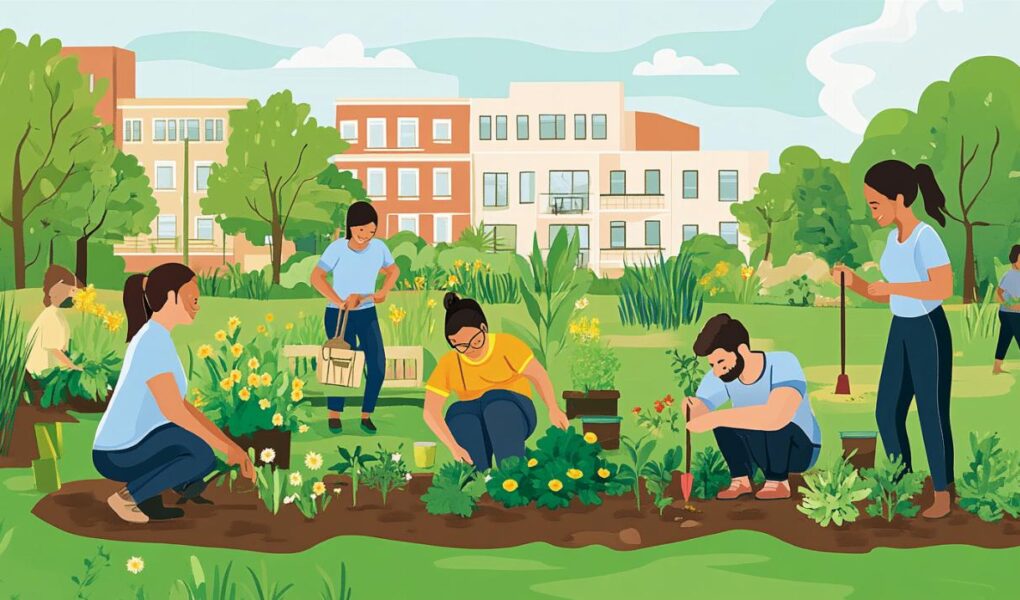
Gardening workshops offer a unique opportunity to bring residents together around a shared purpose, transforming the maintenance of green spaces into a social and educational experience. These sessions are designed to be accessible to all, regardless of prior gardening knowledge, and they provide hands-on learning that can be immediately applied to the upkeep of communal gardens. Beyond the practical benefits, such workshops strengthen neighbourhood bonds and enhance the overall quality of life for everyone involved.
Organising effective gardening sessions: from layout planning to seasonal cleaning
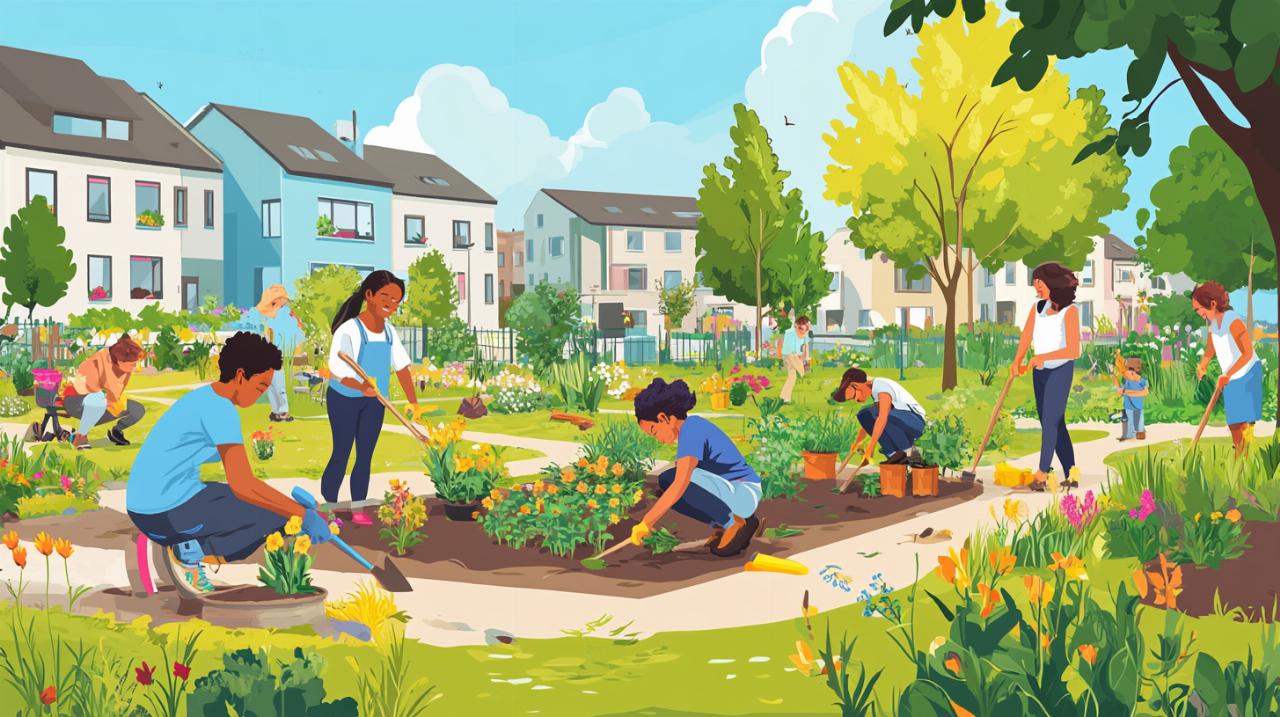
The success of a gardening workshop hinges on careful planning and clear communication. Organisers should begin by identifying the specific needs of the communal garden, whether that involves redesigning the layout to improve accessibility, planting new species to encourage biodiversity, or simply conducting a thorough seasonal cleaning to prepare for the months ahead. Once the goals are established, the next step is to engage the community by publicising the event through notice boards, newsletters, or digital platforms. On the day of the workshop, participants can be guided through a range of activities, from soil preparation and composting to planting and pruning techniques. These sessions not only equip residents with practical skills but also create opportunities for collaboration and creativity. For example, a group might work together to design a new flower bed that enhances the visual appeal of the space while also supporting local pollinators. By breaking down the maintenance tasks into manageable, enjoyable activities, workshops demystify the process of caring for green areas and encourage ongoing participation.
Enhancing quality of life: how hands-on learning strengthens neighbourhood bonds
The benefits of gardening workshops extend far beyond the physical improvements to the communal garden. Participants often report a heightened sense of connection to their neighbours, as working side by side on a shared project fosters camaraderie and mutual support. These interactions can be particularly valuable in urban settings, where residents may otherwise have limited opportunities to engage with one another. Moreover, the act of gardening itself has been shown to improve mental well-being, offering a meditative and rewarding way to spend time outdoors. When residents see the tangible results of their efforts, from vibrant flower displays to thriving vegetable patches, it reinforces a sense of accomplishment and pride in their community. Educational opportunities also abound, as workshops can cover topics such as sustainable practices, climate change mitigation through carbon dioxide absorption and soil health, and the importance of reducing food miles by growing fresh produce locally. By integrating these themes into the sessions, organisers can inspire residents to think more broadly about their environmental impact and the role they play in creating a more sustainable future.
Creating Beautiful and Sustainable Communal Spaces: Best Practices for Long-Term Enjoyment
A well-maintained communal garden is more than just a pleasant backdrop; it is a vital asset that enhances the livability of a co-ownership development and contributes to the broader goals of urban cooling and biodiversity. Achieving this requires a commitment to thoughtful design, consistent care, and a willingness to adapt to the changing needs of both the community and the environment.
Design and Layout Considerations: Making the Most of Your Shared Green Areas
The layout of a communal garden should be informed by the needs and preferences of the residents, as well as the unique characteristics of the site. Thoughtful design can maximise the usability of the space, whether that involves creating quiet seating areas for relaxation, installing raised beds for vegetable cultivation, or incorporating native plants that require minimal maintenance while supporting local wildlife. Engaging with specialists who have expertise in environmental design can be invaluable during this process, as they can provide insights into how to make the space both people-focused and nature-positive. For instance, strategic planting can help to cool urban areas during the summer months, while the inclusion of permeable surfaces can improve drainage and reduce the risk of flooding. Pilot projects can serve as a useful testing ground for new ideas, allowing the community to experiment with different approaches before committing to larger-scale changes. By involving residents in the design process, the syndicate can ensure that the final layout reflects the collective vision and enhances the enjoyment of the space for all.
Maintaining Standards of Cleanliness and Beauty: Simple Strategies for Ongoing Care in the City
Once the communal garden has been established, the focus shifts to maintaining its cleanliness and beauty over the long term. This requires a combination of regular upkeep and seasonal tasks, all of which can be simplified through the implementation of a clear maintenance schedule and the active participation of residents. Simple strategies such as mulching to suppress weeds, composting kitchen scraps to enrich the soil, and regular deadheading of flowers can keep the garden looking its best with minimal effort. It is also important to monitor the health of the plants and address any issues, such as pests or diseases, promptly to prevent them from spreading. In urban environments like London, where space is often at a premium, creative solutions such as edible bus stops or vertical gardens can maximise the potential of even the smallest areas. Drawing inspiration from successful examples such as New York City's GreenThumb programme, which supports over five hundred community gardens, or the urban gardening movement in Detroit, residents can see how collective action and stewardship can transform neglected spaces into vibrant, productive landscapes. By fostering a culture of shared responsibility and continuous improvement, co-ownership communities can ensure that their green spaces remain a source of pride and enjoyment for years to come, while also contributing to the broader goals of climate resilience and sustainability in the city.